

Safety Data Sheet (SDS)
Himalayan Pink Salt MSDS: Safety Data Sheet
MACSONS distributes authentic, direct-from-source minerals to international commercial markets. Therefore, we maintain this verified Himalayan Pink Salt MSDS to ensure absolute material safety and seamless customs handling for our B2B procurement partners.
Global procurement managers can easily review our full operational compliance history and processing frameworks by visiting our verified À propos de nous profile. Furthermore, clients can evaluate our financial trade rules and bank account setups directly on our official [Link to Payments Page] Trade Finance directory.
Section 1: Identification of the Substance and Company
Product Name: Authentic Himalayan Pink Salt (All Grades)
Chemical Name: Sodium Chloride (NaCl)
CAS Number: 7647-14-5
Recommended Use: Food processing, wholesale blending, private label retail packaging, animal feed, and wellness applications.
Manufacturer Identification: MACSONS
Corporate Address: Plot #12, Commercial Area, Industrial Estate, Phase 1, Multan, Punjab, Pakistan
Processing Plant Address: Quaidabad, near the Salt Range, Punjab, Pakistan
Contact Email: sales@macsons.biz
Emergency Phone: +92 344 4444031
Section 2: Hazards Identification
GHS Classification: Not classified as a hazardous substance or mixture under global GHS standards.
Physical Hazards: None.
Health Hazards: Non-hazardous under normal industrial handling. High concentrations of airborne dust may cause mild, temporary mechanical eye irritation.
Environmental Hazards: Non-hazardous.
Label Elements: None required.
Section 3: Composition / Information on Ingredients
Chemical Identity: Sodium Chloride (NaCl)
Concentration Parameters: 98.4 percent minimum purity.
Synonyms: Halite, Rock Salt, Pink Salt.
Hazardous Ingredients: None. This pure natural mineral contains rich trace elements like Iron, Potassium, Magnesium, and Calcium which give the crystals their distinct pink color.
Section 4: First-Aid Measures
Inhalation Protocols: Remove person to fresh air. Seek medical attention if irritation or coughing persists.
Skin Contact: Non-toxic. Wash affected areas with clean water.
Eye Contact: Do not rub eyes. Flush thoroughly with clean water for at least 15 minutes. Seek medical advice if mechanical irritation persists.
Ingestion Hazards: Safe for human consumption. In case of massive, accidental industrial ingestion of raw powder, drink plenty of water and consult a physician if feeling unwell.
Section 5: Fire-Fighting Measures
Flammability Rating: Non-combustible. The product does not burn or support active combustion.
Extinguishing Media: Use extinguishing agents appropriate for the surrounding fire environment like water spray, carbon dioxide, or dry chemical.
Explosion Hazard: None. The material does not present an explosion hazard under any storage condition.
Hazardous Combustion Products: Thermal decomposition at extreme temperatures exceeding 801 degrees Celsius may release chlorine gas or sodium oxide.
Section 6: Accidental Release Measures
Personal Precautions: Wear appropriate dust masks if sweeping in high-density dust crushing zones.
Environmental Precautions: Avoid discharging massive industrial quantities of salt directly into localized freshwater systems, as high salinity can impact aquatic habitats.
Clean-up Methods: Dry sweep, shovel, or vacuum spills into dry containers for recovery or disposal. Rinse the spill area with water to remove slippery residues completely.
Section 7: Handling and Storage
Safe Handling: Minimize dust generation. Avoid direct contact with eyes and wear personal protective equipment in high-volume milling or crushing zones.
Storage Conditions: Store in a cool, dry, well-ventilated warehouse. Keep materials in tightly closed packaging such as Polypropylene bags or FIBC Jumbo Sacks to protect from ambient moisture and clumping.
Incompatible Materials: Avoid direct contact with strong acids, strong oxidizing agents, and lithium.
Section 8: Exposure Controls / Personal Protection
Engineering Controls: Ensure adequate exhaust ventilation in crushing and grinding facilities to manage dust levels.
Eye Protection: Use safety glasses with side shields in dust-heavy processing areas.
Skin Protection: Standard protective work clothing and gloves are recommended for long-term handling.
Respiratory Protection: Wear an approved N95 dust mask or equivalent particulate respirator if airborne dust concentrations exceed regulatory occupational exposure limits.
Section 9: Physical and Chemical Properties
Appearance: Solid, crystalline granules or powder.
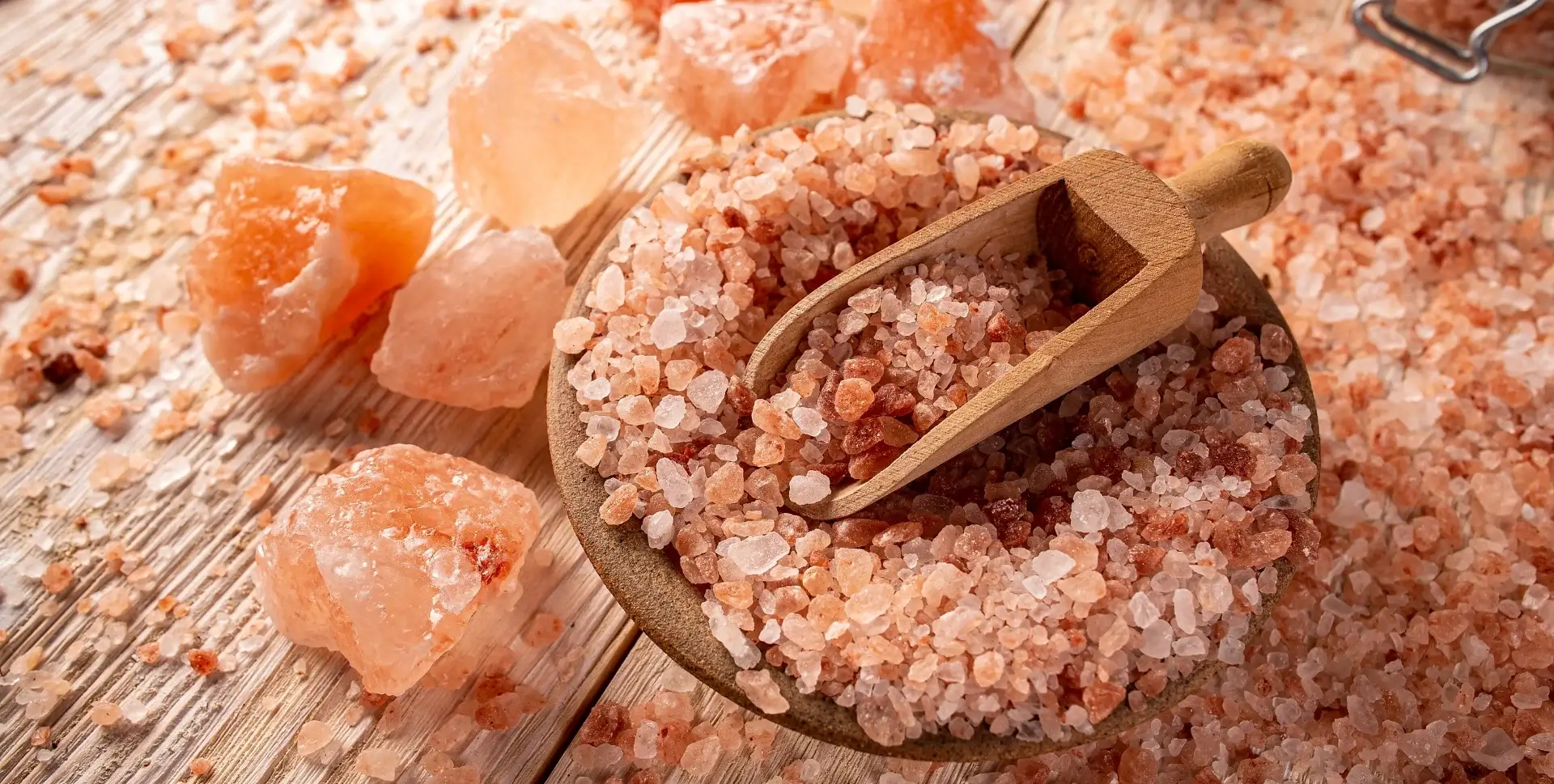
Color Spectrum: Varied ranges from Dark Pink and Light Pink to White.
Odor Profile: Odorless.
pH Level: 6.7 to 7.3 in aqueous solution.
Melting Point: 801 degrees Celsius.
Boiling Point: 1413 degrees Celsius.
Solubility in Water: 360 grams per Liter at 20 degrees Celsius.
Specific Gravity: 2.16.
Section 10: Stability and Reactivity
Reactivity: Stable under standard temperature and pressure.
Chemical Stability: Highly stable under recommended storage conditions. Absorbs moisture from the air in highly humid environments.
Possibility of Hazardous Reactions: None under standard industrial processing.
Conditions to Avoid: Exposure to high humidity and direct water contact during storage.
Incompatible Materials: Strong oxidizing agents, strong acids.
Hazardous Decomposition Products: May emit toxic chloride fumes when heated to decomposition temperatures above 801 degrees Celsius.
Section 11: Toxicological Information
Acute Oral Toxicity: Low toxicity where the LD50 Oral, Rat is 3000 mg/kg.
Skin Irritation: Non-irritant under normal handling.
Eye Irritation: May cause mechanical irritation due to dust particles.
Carcinogenicity: Not listed as a carcinogen by IARC, NTP, OSHA, or ACGIH.
FDA Status: Generally Recognized As Safe (GRAS) for human consumption.
Section 12: Ecological Information
Ecotoxicity: Generally non-toxic to soil and vegetation. Highly concentrated discharges of saline water can be harmful to freshwater aquatic life where LC50 Pimephales promelas is 7650 mg/L over 96 hours.
Persistence and Degradability: Naturally occurring mineral. Biodegradation is not applicable to inorganic substances.
Bioaccumulation Potential: Does not bioaccumulate.
Mobility in Soil: High water solubility ensures rapid mobility through soil when wet.
Section 13: Disposal Considerations
Waste Treatment: Dispose of in accordance with local, state, and federal environmental regulations. Pure salt can often be safely landfilled or dissolved in water for disposal if within regulatory discharge limits.
Packaging Disposal: Cleaned packaging like PP bags and plastic liners can be recycled or disposed of according to local waste management protocols.
Section 14: Transport Information
US DOT Classification: Not regulated as a hazardous material for transport.
IMDG (Marine Shipping): Not regulated as dangerous cargo for international maritime shipping.
IATA (Air Cargo): Not regulated as dangerous cargo.
Special Shipping Precautions: Keep cargo dry and sealed during sea transit to prevent moisture absorption and caking.
Section 15: Regulatory Information
Domestic Compliance: Formally registered commercial manufacturer with the Federal Board of Revenue (FBR), holding valid National Tax Number 1499153-5. Fully compliant with Punjab Food Authority (PFA) food safety regulations.
International Regulatory Status: Approved under European Food Safety Authority (EFSA) parameters, US FDA GRAS list, and global Codex Alimentarius standards for food-grade salt.
Section 16: Other Information
Document Version: 1.0 (2026 Edition)
Disclaimer Guidelines: The information contained in this Safety Data Sheet is believed to be accurate and represents the best information currently available to MACSONS. However, we make no warranty of merchantability or any other warranty, express or implied, with respect to such information, and we assume no liability resulting from its use. Users should make their own investigations to determine the suitability of the information for their specific purposes.
Verification Resource: Importers can easily verify international chemical data registry information by visiting the public portal of [Link to External Authority Site] PubChem National Institutes of Health.
 English
  German
  Spanish
  French
  Arabic